Posted on 12/19/2025
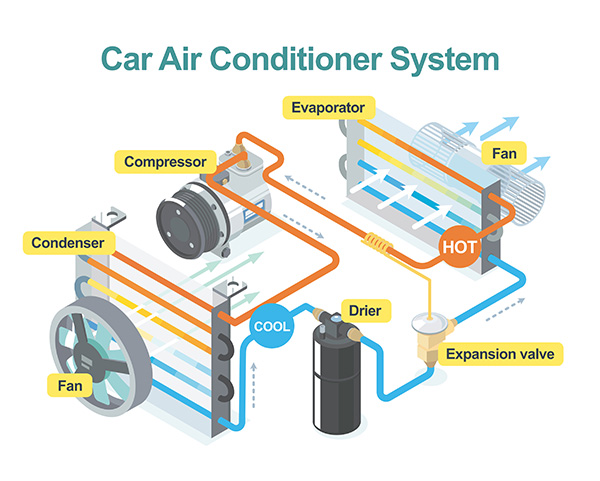
You expect cold air when you hit the A/C button, even in winter when you are using it to help clear fogged windows. If the condenser at the front of the car is clogged with dirt, leaves, or road debris, the whole system has to work harder for less cooling. A dirty condenser is one of those hidden problems that quietly steals performance long before the A/C quits completely. Why the Condenser Matters for A/C Performance The condenser sits in front of the radiator and acts like a small radiator for the A/C system. Hot, high pressure refrigerant from the compressor flows through its thin tubes while air passes across the fins, carrying heat away. If that heat does not leave the system, the refrigerant never cools down properly, and the A/C cannot do its job. When the condenser is clean and getting good airflow, pressures stay where they should, and the vents deliver strong, consistent cooling. Once the fins are packed with bugs, leaves, dirt, or road grime, the system ... read more
Posted on 11/28/2025
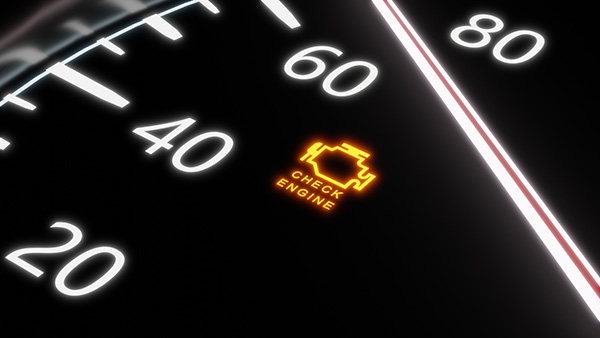
A flashing check engine light is your engine asking for immediate attention. Unlike a steady light, a flashing light almost always indicates a severe misfire that can overheat and damage the catalytic converter. The sooner you respond, the more likely you are to avoid expensive collateral repairs. What a Flashing Check Engine Light Means Engines misfire when one or more cylinders fail to burn fuel cleanly. Unburned fuel then enters the exhaust, where it ignites in the converter and drives temperatures far above normal. Prolonged driving this way can melt converter substrates, cook oxygen sensors, and even scorch nearby components. That is why a flashing light is considered urgent rather than a “check it when convenient” reminder. Common Triggers Behind a Flashing Light Ignition faults: worn spark plugs, failing coils, cracked coil boots, or oil in plug wells. Fuel delivery issues: weak pump, clogged injector, or contaminated fuel afte ... read more
Posted on 10/31/2025
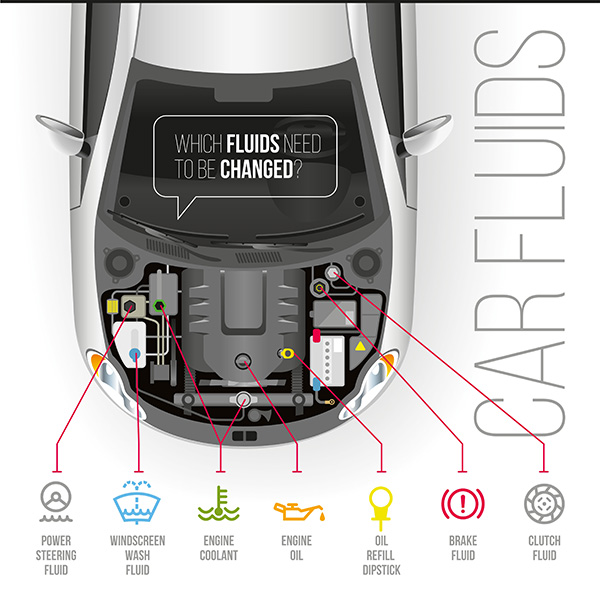
Keeping a vehicle reliable is not just about big services. Small habits are also important, and checking fluids is near the top of that list. Fluids carry heat, transfer force, reduce friction, and protect internal passages from corrosion. When levels drop or the chemistry breaks down, wear accelerates in places you cannot see. A few minutes in the driveway each month can save you from overheated engines, brake problems, or transmission issues that get expensive fast. Why Fluid Checks Punch Above Their Weight Most breakdowns start as small imbalances. Low coolant runs a little hot on long grades. Dark transmission fluid makes shifts a touch slower. Brake fluid with high moisture content feels fine in town, then goes soft on a long downhill. Spotting those trends before they become symptoms keeps repairs simple. You do not need a full toolbox. Clean rags, a bright light, and your owner manual for locations and specs are usually enough. 1. Engine Oil ... read more
Posted on 9/26/2025

You check your oil regularly, only to notice it keeps going down, but there’s no sign of a leak under your vehicle. If your engine is burning oil, that means it’s being consumed internally rather than dripping out. This can be hard to notice until symptoms start to show, and by then, the damage may already be in progress. For drivers in Oakville dealing with declining oil levels, it’s important to understand what causes oil consumption and what steps you can take to fix it. What Does It Mean When an Engine Burns Oil When oil is burned, it means the engine is drawing oil into the combustion chamber, where it gets ignited along with fuel. This is not normal behavior and usually points to worn or failing components inside the engine. It may happen slowly over time, or it may worsen quickly, depending on the condition of your vehicle. Some signs that your engine is burning oil include: Low oil levels between oil changes Blue or bluish-gray smoke fro ... read more
Posted on 8/29/2025
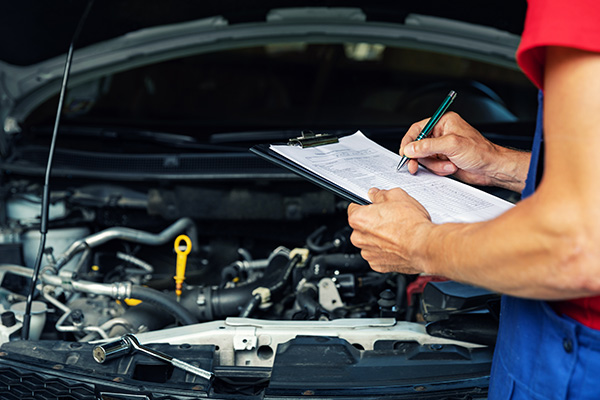
Drivers in Oakville know that Ontario’s weather shifts can be extreme. From freezing winters to hot and humid summers, each season brings conditions that put new stress on vehicles. Salt on the roads in winter can corrode parts, while summer heat strains batteries and cooling systems. Without preparation, these seasonal challenges increase the risk of unexpected breakdowns. A comprehensive seasonal inspection ensures your car is ready for what’s to come, keeping you safe and saving you from costly repairs. What’s Included in a Seasonal Service SpecialEastside Auto Service has created a Seasonal Service Special that bundles together essential maintenance tasks. These inspections go beyond a quick check; they provide a comprehensive look at the systems most likely to be affected by seasonal conditions. Services include: Oil and lube service Filter replacements Brake system inspection and repairs Fluid top-ups and flushes Exhaus ... read more
Posted on 7/30/2025
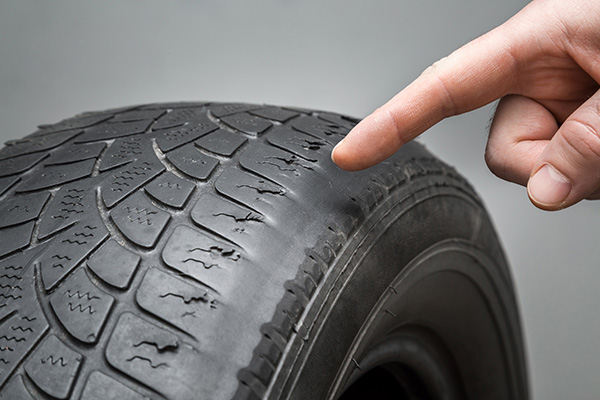
Your tires do a lot more than just keep your car moving—they're critical to safety, comfort, and fuel efficiency. But even the best tires won’t last long if your vehicle’s alignment or suspension is out of order. While you might not immediately connect handling issues to tire problems, misalignment and worn suspension components are two of the biggest reasons tires wear out prematurely. We'll explain how these systems work together to help you catch problems early and extend the life of your tires. What Is Wheel Alignment Wheel alignment refers to the angles at which your tires make contact with the road. These angles include camber (tilt inward or outward), caster (steering pivot angle), and toe (direction the tires point). When your wheels are properly aligned, your tires roll straight and evenly, distributing weight and pressure consistently across the tread. Misalignment disrupts this balance, leading to uneven or rapid tire wear. Eve ... read more