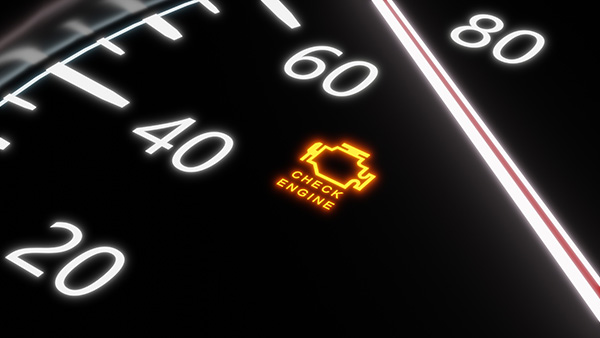
A flashing check engine light is your engine asking for immediate attention. Unlike a steady light, a flashing light almost always indicates a severe misfire that can overheat and damage the catalytic converter.
The sooner you respond, the more likely you are to avoid expensive collateral repairs.
What a Flashing Check Engine Light Means
Engines misfire when one or more cylinders fail to burn fuel cleanly. Unburned fuel then enters the exhaust, where it ignites in the converter and drives temperatures far above normal. Prolonged driving this way can melt converter substrates, cook oxygen sensors, and even scorch nearby components. That is why a flashing light is considered urgent rather than a “check it when convenient” reminder.
Common Triggers Behind a Flashing Light
- Ignition faults: worn spark plugs, failing coils, cracked coil boots, or oil in plug wells.
- Fuel delivery issues: weak pump, clogged injector, or contaminated fuel after a recent fill-up.
- Air and sensor problems: split intake boot, dirty mass airflow sensor, or a failed crank/cam sensor interrupting timing.
- Mechanical concerns: low compression from a burned valve or stretched timing components.
- Aftermarket add-ons gone wrong: incorrect plug type or gap, poor-quality sensors, or tune-related miscalibration.
What You Should Do Immediately
Ease off the throttle and keep engine speed low. If the light flashes during hard acceleration, reduce load and see if it settles into a steady light. Avoid towing and steep climbs. If the engine runs rough at idle or you smell a strong sulfur or raw fuel odor, find a safe place to stop and shut it down.
Continuing to drive hard with a flashing light turns a small ignition or fuel issue into a damaged catalytic converter very quickly.
Why It Can Damage the Catalytic Converter
Catalytic converters are designed to clean up small amounts of leftover hydrocarbons, not act as afterburners. A severe misfire feeds the converter with unburned fuel and oxygen. That mixture ignites inside the converter, spiking temperatures and melting the ceramic core into a clogged brick. Once that happens, exhaust backpressure climbs, power drops, and fuel economy falls.
Replacing a converter is far more expensive than correcting the misfire that caused it.
Symptoms That Help Point to the Cause
Pay attention to when the light flashes and how the engine feels. A rough idle that smooths out as speed increases often points to a single cylinder with an ignition or injector issue. Shudder under load, especially on hills, suggests a coil breaking down when voltage demand is highest.
If the light began flashing right after a fill-up and the engine feels flat, contaminated fuel is possible. A flashing light paired with sudden rattling or metallic noise can signal a more serious mechanical concern that deserves a tow rather than a gentle drive.
Can You Keep Driving, or Should You Call for Tow?
Think in tiers. If the light flashes only under heavy acceleration and the engine feels smooth at gentle throttle, a cautious, short drive to service at light load is usually reasonable. If the light flashes continuously, the engine shakes, or there is a strong fuel smell, stop and arrange a tow.
If the temperature gauge climbs, the oil light appears, or there is visible smoke, shut the engine off immediately. Those combinations move the situation from “urgent” to “critical.”
How We Get from Light to Fix
Diagnosis starts with a code and freeze-frame snapshot, then moves to targeted tests instead of guesswork. Plugs and coils are inspected, cylinder contribution is checked, fuel pressure and injector operation are verified, and intake plumbing is examined for leaks. If the pattern points to a mechanical issue, a compression or leak-down test confirms it before parts are replaced.
That measured approach prevents stacking new problems on top of the original one.
After the Repair: Habits That Keep Misfires Away
Replace spark plugs on schedule and use the exact type and gap specified. Fix valve cover leaks before oil reaches coil boots. Keep the air filter fresh and ensure intake ducts are intact so sensor readings stay accurate.
If you store the vehicle or take frequent short trips, consider slightly shorter oil intervals; clean oil supports variable valve timing systems that help cold starts run smoothly.
Get Flashing Check Engine Light Help in Oakville, ON with Eastside Auto Service
Seeing a flashing light right now? Visit Eastside Auto Service in Oakville, ON. We will identify the true cause, correct the fault with the right parts and procedures, and protect your catalytic converter from heat damage so the engine runs clean and strong again.
Schedule an engine diagnostic today and get back to smooth, confident driving.