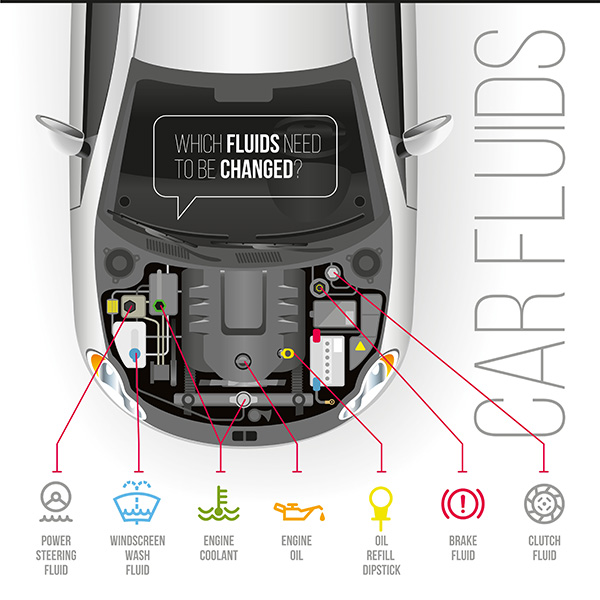
Keeping a vehicle reliable is not just about big services. Small habits are also important, and checking fluids is near the top of that list. Fluids carry heat, transfer force, reduce friction, and protect internal passages from corrosion. When levels drop or the chemistry breaks down, wear accelerates in places you cannot see. A few minutes in the driveway each month can save you from overheated engines, brake problems, or transmission issues that get expensive fast.
Why Fluid Checks Punch Above Their Weight
Most breakdowns start as small imbalances. Low coolant runs a little hot on long grades. Dark transmission fluid makes shifts a touch slower. Brake fluid with high moisture content feels fine in town, then goes soft on a long downhill. Spotting those trends before they become symptoms keeps repairs simple. You do not need a full toolbox. Clean rags, a bright light, and your owner manual for locations and specs are usually enough.
1. Engine Oil
Oil forms a protective film between moving parts and carries heat away from the hottest zones. As miles add up, the additive package gets used and the base oil oxidizes. That makes cold starts harsher and high temperature protection weaker. Check level with the engine off and parked level. Wipe the dipstick, reinsert, then confirm the mark sits near full. Look for clean amber to dark brown color without grit.
If the level drops between services, note how much you add and watch for damp areas around the valve cover, filter housing, or oil pan. Running low even once can speed up wear on timing components and turbo bearings.
2. Coolant
Coolant does more than prevent freezing. It raises the boiling point and protects aluminum passages from corrosion. Low coolant allows hot spots to form near cylinder walls and head gaskets. Check the translucent reservoir when the engine is cold. The level should sit between the marks, and the color should be consistent without rust flakes or oil sheen.
If you need to add often, there is a leak somewhere. Hoses, radiator end tanks, and water pump weep holes are common sources. Mixing coolant chemistries can cause deposits, so top up only with the type listed on the cap or in the manual.
3. Transmission Fluid
Automatic and dual clutch transmissions rely on the exact fluid chemistry for friction control and cooling. Heat and shear eventually change those properties. Symptoms begin as a flare between gears, a delay selecting drive, or a harsh thump on downshifts. Some cars have a dipstick, others use a sealed system with a specific temperature check.
If you can inspect it, healthy fluid is usually bright red or clear with a light odor. Dark or burnt smelling fluid suggests it is overdue. Using the wrong specification can create shudder or slip, so always match the approval listed for your vehicle.
4. Brake Fluid
Brake fluid is hygroscopic, which means it absorbs moisture over time. Water contamination lowers the boiling point and promotes internal corrosion. That shows up as a pedal that feels firm when cold, then goes soft during repeated stops. Check the master cylinder reservoir on level ground and make sure the level is near the MAX line. The fluid should look clear to light amber. Dark fluid points to age and heat.
If the level is low, inspect for leaks at hoses, calipers, and along the lines rather than topping up and forgetting it. Fresh fluid every two to three years keeps the system consistent and protects ABS valves.
5. Power Steering or Electric Assist Fluid: Steering Feel and Pump Health
Hydraulic systems use fluid to assist steering effort. Low level makes the pump whine and can introduce air that foams. Check the cap or the reservoir dipstick and confirm the level is at the mark with the engine warm, if your manual calls for that. Fluids should be clean and free of metallic shimmer. Many newer vehicles use electric power assist with no fluid to check.
If your steering feels heavy, chatters at low speed, or the assist comes and goes, the system needs inspection even if there is no reservoir under the hood.
How Often Should You Check and Change
A simple rhythm works well. Glance at levels once a month or before long drives. Oil and washer fluid are quick checks. Coolant and brake fluid can be checked every other month if you drive regularly. Transmission and differential fluids follow manufacturer intervals, with shorter schedules for severe service such as towing, short trips, or frequent stop and go. If you notice a change in feel, smell, or color, act sooner rather than later.
DIY Tips That Keep Checks Clean and Accurate
Work on level ground and read the manual for correct procedures. Some fluids must be checked hot, others cold. Use clean funnels marked for each fluid to avoid cross contamination. Never open a hot radiator cap. If a reservoir drops repeatedly, place a clean piece of cardboard under the vehicle overnight to locate drips. Bring photos of the stains and your notes to the shop. Clear information shortens diagnostic time and keeps the repair focused.
Stay Ahead of Repairs with Eastside Auto Service in Oakville, ON
Eastside Auto Service has two convenient locations in Oakville. Our team will set the correct fluids, confirm specs, and build an easy plan so these small checks prevent costly surprises. Schedule a visit today and keep your car running smoothly, season after season.