Posted on 9/25/2026
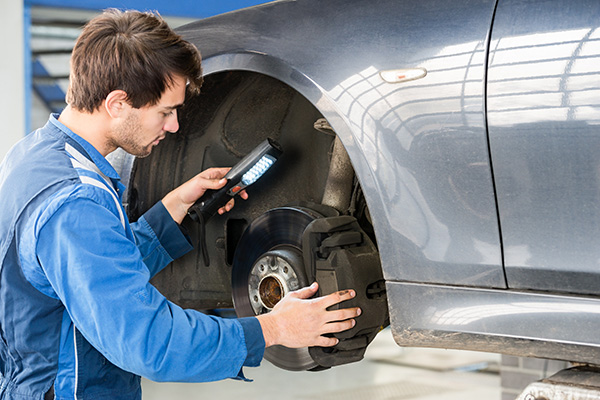
Cold, wet fall weather puts more attention on your brakes because traction is already reduced. Rain, damp pavement, falling temperatures, and longer stopping distances leave less room for a brake system that is worn, sticking, or not applying evenly. We would rather find those problems before the weather gets worse. A brake issue that feels minor on a dry afternoon can become much more noticeable on a cold, rainy morning. These five problems are worth taking care of before fall turns into winter. 1. Brake Pads That Are Getting Too Thin Brake pads wear a little every time you slow the vehicle. Once the friction material gets low, less material is left to handle repeated stops and heat. At our shop, we measure pad thickness and compare the inner and outer pads on both sides of the axle. One pad can be much thinner than the one you can easily see through the wheel. If the pads are already close to their replacement point before colder weather arrives, waiting until th ... read more
Posted on 8/28/2026

A car that shakes while stopped but feels normal once it begins moving usually has a problem that becomes most noticeable at low engine speed. At idle, the engine produces less momentum, so uneven combustion, worn mounts, vacuum leaks, and accessory loads are easier to feel through the steering wheel, seat, or floor. Once engine speed increases, the vibration may become less noticeable even though the underlying fault remains. The pattern helps narrow the testing process, but it does not identify one specific failed part. Technicians must determine whether the engine is running unevenly or the vehicle is simply transmitting normal engine vibration into the cabin. Worn Engine Or Transmission Mounts Engine and transmission mounts secure the powertrain while isolating normal vibration from the vehicle body. Most mounts use rubber, hydraulic fluid, or an electronically controlled design to absorb movement. As a mount collapses, tears, or leaks, more vibration reaches t ... read more
Posted on 7/31/2026
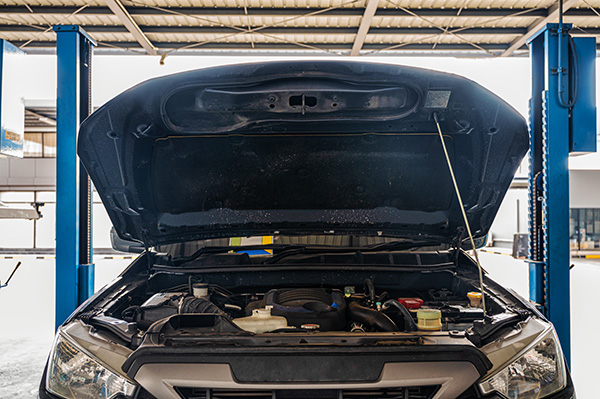
Every vehicle needs repairs eventually. Even with careful driving and good maintenance habits, parts wear out, fluids age, rubber dries, sensors fail, and road conditions take a toll. That does not mean the vehicle was poorly built. It means it is being used. The good news is that many common auto repairs give warning signs before they become emergencies. A noise, leak, vibration, warning light, or change in how the vehicle feels can help you schedule service before the problem grows. These six repairs are among the most common repairs drivers will face sooner or later. 1. Brake Repair Brake parts wear every time you slow down. Pads are designed to wear, rotors handle heat and friction, calipers need to move freely, and brake fluid has to stay clean enough to transfer pressure properly. Over time, one or more of these parts will need attention. Common brake warning signs include squealing, grinding, vibration, pulling, a soft pedal, longer stopping distance, or a b ... read more
Posted on 6/26/2026
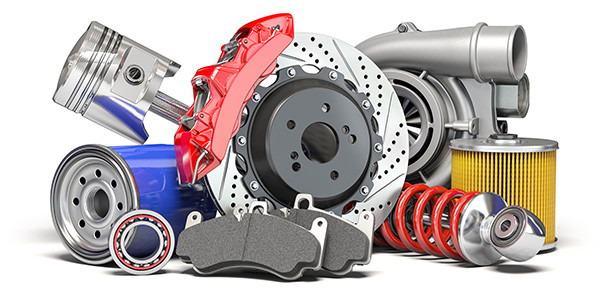
Choosing parts for an auto repair can feel more complicated than it should. You just want the vehicle fixed properly, but then you hear OEM, aftermarket, premium, economy, factory replacement, and suddenly the repair feels like a parts lesson you never asked for. The good news is that this choice need not be confusing. OEM and aftermarket parts can both be good options in the right situation. The better choice depends on what is being repaired, the quality of the part, the vehicle’s age, and how much risk you want to take with fit, performance, and long-term reliability. What OEM Parts Offer OEM stands for original equipment manufacturer. These parts are built by the same company that made the original part for the vehicle, or they are built to the automaker’s specifications. In practical terms, OEM parts are meant to match the part your vehicle had when it left the factory. That makes them a strong choice when an exact fit is important. Mounting points ... read more
Posted on 5/29/2026

SUVs are built to handle daily driving, family trips, cargo, rough roads, and sometimes towing. That versatility is one of the reasons drivers keep them for years. As mileage adds up, though, the vehicle needs more attention than it did when it was newer. A high-mileage SUV can still be dependable, but it rarely stays that way by accident. The key is to stay ahead of wear, so small changes don't turn into costly, time-consuming repairs. Mileage Changes What Your SUV Needs As an SUV gets older, parts that once felt solid begin to wear. Rubber bushings harden, seals lose flexibility, fluids break down, and moving components collect more heat and stress. None of those changes means the vehicle is worn out, but they do mean maintenance becomes more important. Higher mileage also changes how you should think about service intervals. Waiting until something fails is rarely the best approach. A routine inspection can help identify leaks, worn parts, tire wear patterns ... read more
Posted on 4/30/2026

Subaru has built a loyal following in Canada for good reason. These vehicles tend to fit the way many Canadians actually drive. They handle snow well, feel planted in rough weather, and strike a nice balance between daily practicality and outdoor usefulness. That appeal is easy to understand once you spend time around Subaru owners. The other side of the conversation is just as important. Subaru vehicles have their own repair patterns, and knowing those patterns helps drivers stay ahead of the bigger bills. Why Subaru Appeals To So Many Canadian Drivers A big part of Subaru’s appeal comes down to confidence in all kinds of weather. Subaru Canada leans heavily on Symmetrical Full-Time AWD as a core part of the brand, and that makes sense in a country where snow, slush, rain, and changing road conditions are part of normal driving for a big part of the year. The low center of gravity of the BOXER engine layout is another reason these vehicles feel stable and bal ... read more
Posted on 3/27/2026
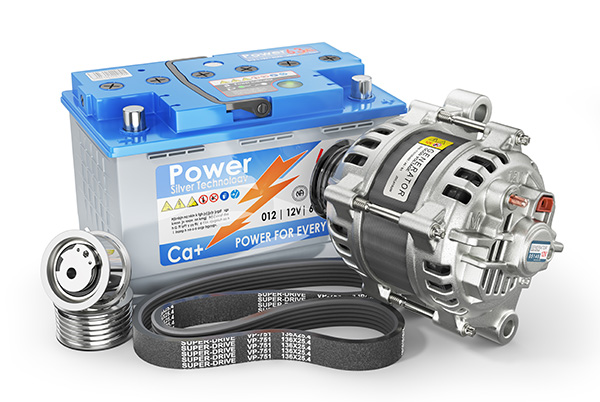
A weak battery and a weak alternator can feel like the same problem until you look a little closer. The car might crank slowly, electronics might act weird, or the battery might be dead after sitting. A few simple checks can tell you whether you’re dealing with a low charge, a charging issue, or a connection problem. Get a couple of quick readings first, then decide what’s worth chasing. Start With A Simple Battery Check Pop the hood and take a slow look before you grab tools. Corrosion on terminals, a loose clamp, or a swollen battery case can change the outcome of any test you do next. If you see thick white or green crust, that alone can create a weak start even with a decent battery. If the terminals are loose, tighten them before testing anything. If the battery case is bulging, cracked, or leaking, skip the home testing and replace it. A damaged battery is not something to gamble with. Quick Voltage Test With A Multimeter If you ... read more
Posted on 2/27/2026
A sudden MPG drop can sneak up on you. You fill up like usual, then realize the needle is falling faster than it should, even though your driving feels the same. Sometimes there’s no warning light, no new noise, and nothing obvious to blame. The smartest move is starting with the few checks that commonly cause a big change fast. Sudden MPG Drop Clues Start by noticing what changed and when. Did it begin right after a tire swap, a cold snap, a long road trip, or a rough pothole hit? Patterns like only worse in city traffic or only worse on the highway can point you toward the right system quickly. A few quick clues are worth writing down before you forget them: MPG dropped suddenly after a fill-up at a different station Engine takes longer to warm up than usual New fuel smell around the car after parking Idle feels slightly rougher or lower than normal Exhaust smell seems stronger at stoplights Those details help narrow the first checks. Tire Pre ... read more
Posted on 1/30/2026
A freezing morning can turn a normal day into a scramble fast. You get in, turn the key, and instead of the usual start, you get a slow crank, a click, or nothing helpful at all. Cold weather doesn’t create brand new problems as much as it exposes weak spots that were already there. The key is figuring out what kind of failure you’re seeing, because the next step depends on whether the engine is cranking, struggling, or not turning over at all. Why Cold Temperatures Make Starting So Much Harder Batteries produce less power when temperatures drop, and engines require more power to crank in the cold. Oil thickens, internal friction increases, and the starter has to work harder. At the same time, your vehicle’s electronics need a stable voltage to power modules, fuel pump operation, and ignition control. Short trips make this worse. If you drive ten m ... read more