You expect cold air when you hit the A/C button, even in winter when you are using it to help clear fogged windows. If the condenser at the front of the car is clogged with dirt, leaves, or road debris, the whole system has to work harder for less cooling. A dirty condenser is one of those hidden problems that quietly steals performance long before the A/C quits completely.
Why the Condenser Matters for A/C Performance
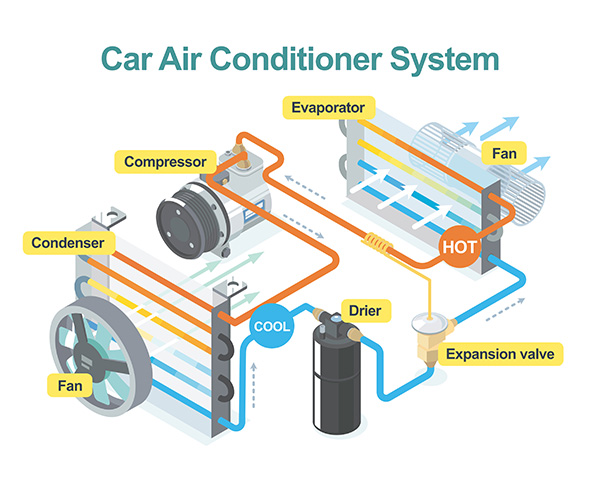
The condenser sits in front of the radiator and acts like a small radiator for the A/C system. Hot, high pressure refrigerant from the compressor flows through its thin tubes while air passes across the fins, carrying heat away. If that heat does not leave the system, the refrigerant never cools down properly, and the A/C cannot do its job.
When the condenser is clean and getting good airflow, pressures stay where they should, and the vents deliver strong, consistent cooling. Once the fins are packed with bugs, leaves, dirt, or road grime, the system struggles. Pressures climb, the compressor works harder, and you feel the result as weaker cooling and slower window clearing.
How a Dirty Condenser Steals Cooling Power
A condenser is designed with a lot of thin fins to maximize surface area. That design is great for moving heat, but it also means there are many tiny spaces where debris can lodge. Over time, that buildup blocks airflow and insulates the refrigerant from the outside air.
The first thing most drivers notice is longer cool down times. The air may still feel cooler than the cabin, but it takes longer and requires a higher fan speed to reach a comfortable temperature. On very hot or humid days, the A/C may seem to fall behind completely, especially in traffic. In the background, the compressor is working harder against higher pressures, which can shorten its life.
Winter and Cold-Weather Problems That Affect the Condenser
In cold months, you might not be thinking about the condenser at all, but winter is tough on it. Road salt, slush, and sand all get thrown directly into the grille area. They stick to the fins and start corrosion that can weaken the metal over time. Even though the outside air is cold, the A/C still runs during defrost to dry the air, so the condenser still has to shed heat.
If the fins are bent, packed with grime, or crusted with salt, the system cannot move heat efficiently. That can show up as windows that take longer to clear or that fog back up quickly once you are driving. A winter inspection is a good time to look at the front of the condenser and make sure the fins are not plugged or damaged from a season of bad weather.
Warning Signs Your Condenser Needs Attention
You do not have to pull the front of the car apart to suspect a condenser issue. Common signs include:
- A/C that cools noticeably better at highway speeds than in slow traffic
- Longer cool down times in both summer heat and winter defogging
- The system cycling on and off more often than it used to
- Visible dirt, bent fins, or debris packed in the grille and condenser area
- A fan that seems to run constantly when the A/C or defrost is on
These symptoms do not prove the condenser is the only problem, but they are strong hints that airflow and heat rejection are not what they should be.
Owner Habits That Make Condenser Issues Worse
Certain driving and parking habits can speed up condenser trouble. Sitting close behind big trucks on wet, dirty roads throws extra grit and salt into the grille. Parking nose-first into bushes or snowbanks blocks airflow and can bend fins if branches or ice press on the condenser. Ignoring an overheating issue or a noisy cooling fan also puts more stress on the A/C side of the system.
Washing the vehicle without ever rinsing the grille area means layers of grime stay baked onto the fins. Over the years, that buildup becomes hard to remove and can lead to hot spots and early leaks. From what we see in the bay, condensers that get at least occasional cleaning last longer and give fewer problems.
Simple Checks and Care Tips Between Shop Visits
You can help your condenser without doing anything complicated. When the engine is cool, take a look through the grille and lower openings. If you see leaves, plastic bags, or heavy dirt stuck in front of the fins, carefully remove what you can reach without bending them. A gentle rinse with low pressure water from the front, not a high pressure blast, is usually enough to knock off loose debris.
Pay attention to how your A/C behaves in winter as well as summer. If the defrost setting seems weak, or you hear the cooling fan running often even on cold days, mention that when you schedule service. A technician can check pressures, fan operation, and condenser condition to confirm whether cleaning or repair is needed, instead of waiting for a full loss of cooling.
Get A/C Condenser Service in Oakville, ON with Eastside Auto Service
If your A/C feels weaker than it used to, your windows are slow to clear, or you can see debris and damage on the condenser through the grille, this is the right time to have it checked. We can inspect the condenser, fans, and A/C pressures, clean or straighten fins where possible, and recommend repairs if leaks or damage are found.
Schedule A/C condenser service in Oakville, ON with Eastside Auto Service, and we will help keep your system ready for winter defogging now and strong cooling when summer returns.