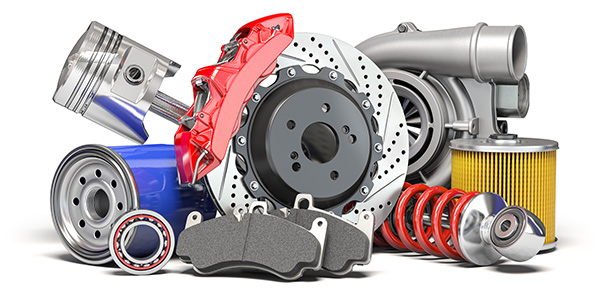
Choosing parts for an auto repair can feel more complicated than it should. You just want the vehicle fixed properly, but then you hear OEM, aftermarket, premium, economy, factory replacement, and suddenly the repair feels like a parts lesson you never asked for.
The good news is that this choice need not be confusing. OEM and aftermarket parts can both be good options in the right situation. The better choice depends on what is being repaired, the quality of the part, the vehicle’s age, and how much risk you want to take with fit, performance, and long-term reliability.
What OEM Parts Offer
OEM stands for original equipment manufacturer. These parts are built by the same company that made the original part for the vehicle, or they are built to the automaker’s specifications. In practical terms, OEM parts are meant to match the part your vehicle had when it left the factory.
That makes them a strong choice when an exact fit is important. Mounting points, electrical connectors, sensor readings, materials, and calibration needs are usually less of a concern with OEM parts. For newer vehicles, certain safety systems, electrical components, and engine management parts can be less forgiving, so OEM may be the cleaner option.
What Aftermarket Parts Offer
Aftermarket parts are made by companies outside the vehicle manufacturer’s direct parts network. Some are built as basic replacement parts. Others are high-quality parts made by respected suppliers that specialize in brakes, suspension, filters, belts, sensors, and other common repair items.
The range is wide. A strong aftermarket part can perform very well and sometimes cost less than OEM. A poor-quality aftermarket part can cause noise, fitment issues, premature wear, or recurring repairs. That is why aftermarket should never mean the cheapest available. The brand, warranty, and application all count.
When OEM Is The Safer Choice
OEM parts make the most sense when the repair involves advanced electronics, driver-assist systems, certain sensors, modules, body fitment, or parts that have to work closely with factory programming. On some vehicles, a minor issue with a sensor or control part can trigger warning lights, affect drivability, or cause communication issues.
OEM is also worth considering if the vehicle is newer, still under warranty, or has a history of being picky with certain replacement parts. The higher price can be frustrating, but it can also reduce the risk of having to do the repair twice. For some repairs, that confidence is worth paying for.
When Aftermarket Makes Sense
Aftermarket parts can be a smart fit for many routine repairs. Brake pads and rotors, batteries, filters, shocks, struts, belts, hoses, wiper blades, and some steering or suspension parts can often be replaced with quality aftermarket options. In many cases, the customer gets dependable performance without paying the higher OEM price.
There are also times when aftermarket parts offer more choices. Some drivers want a quieter brake pad. Others want a stronger suspension part or a better warranty. A trusted aftermarket brand can meet those needs well, especially on older or out-of-warranty vehicles.
Cheap Parts Can Cost More Later
The lowest price on the estimate is not always the best value. A cheap part that wears out early, makes noise, fits poorly, or causes a warning light can turn one repair into two visits. That is when the savings disappear quickly.
This is especially true for labor-heavy repairs. If a part is buried deep in the engine bay or takes hours to replace, saving a little on the part can be a poor trade if it fails early. The harder it is to access the part, the more important the quality becomes.
The Right Choice Depends On The Repair
There is no single rule that says OEM is always better or aftermarket is always fine. The right answer depends on the system being repaired. Brakes, suspension, cooling, electrical, engine, and body repairs all have different levels of sensitivity.
A good shop should be able to explain why one option is recommended over another. That conversation should include fit, reliability, warranty, availability, and price. It should also account for how you use the vehicle. A daily commuter, a work vehicle, an older family car, and a newer European model may not all need the same parts strategy.
Why Parts Quality Supports Long-Term Care
Parts choice is one piece of the larger maintenance picture. Regular maintenance helps protect the systems around the part being replaced, and it gives the shop a chance to catch early wear before one failed component causes another. A brake repair, for example, should also look at calipers, hoses, fluid condition, and hardware. A suspension repair should consider tires, alignment, bushings, and steering parts.
That is where a proper inspection makes the parts decision easier. Once the entire system is checked, the repair can be matched to the vehicle rather than based solely on price. That is the difference between replacing a part and fixing the actual problem well.
Get OEM And Aftermarket Parts Guidance In Ontario, With Eastside Auto Service
Eastside Auto Service helps drivers at both Oakville, ON, locations choose the right parts for their vehicle, budget, and repair needs. Whether OEM or quality aftermarket parts make more sense, we can explain the options clearly and help you make a confident decision.
For help choosing the right parts for your next auto repair, contact us to schedule an appointment.